Tuesday, October 21, 2014

Unit 2 Project: Custom Comics of Cause and Effect


With a partner, create three comic/cartoon stories about customs and traditions.

A comic about customs or traditions in the past (such as, when you grandfather was your age).

A comic about customs or traditions in the present (what customs do you take place in? Remember that social networking has its own customs).

A comic about customs or traditions in the future (think about how customs will change in twenty or 40 years).

Checklist: each comic/cartoon must:
            - show a cause and effect
            - use a word with a suffix
            - use an adverb of frequency
            - use an adverb of emphasis

STEP 1: Plan your comics
Before you make your cartoon, write a brief short story.
What change will happen? What will people say and do? 

Cause == the reason for something happening.
Effect == the change that happens. 

In a cause and effect story there must be an action that changes something. 

Do not only tell the change, show the change.
You must plan how many boxes you will need for your comic. I suggest 3 or 6 boxes.


STEP 2: Make your comics

Here are some websites to create a comic:

StoryboardThat.com (Make sure you click "save and continue" on the bottom right of of screen so you do not lose your work as this site does not save automatically).


STEP 3: Write about your comics.

When the comic is completed, write a few sentences that explain:
What is custom or tradition?
What is the cause and effect?
What (if anything) has changed in recent years on the cartoon’s topic?


Checklist help: 

In Unit 2, we learned about cause and effect so each comic should show a cause and effect. You do not need to tell the cause and effect in the comic because, after you complete your comic, you will write about it in Step 3.


In Unit 2, we learned about suffixes so each comic should include at least one use of a suffix
(1 syllable adjective) + en = verb
deepen, cheapen, whiten, sweeten, weaken, shorten, widen, lighten, tighten
(2 syllable adjective/noun)+ ize = verb
specialize, modernize, penalize,  televise, memorize, energize, weaponize, advertise
(noun) + al = adjective
national, additional, nutritional, professional,  exceptional, conventional
(verb) + able = adjective   
respectable, forgettable, expendable,  detectable, presentable, preferable
(noun) + ful = adjective
careful, stressful, respectful, successful, plentiful, beautiful
(noun) + less = adjective
helpless, hopeless, voiceless, breathless, careless, endless, restless
(adjective) + ization = noun
alphabetization, westernization, urbanization,  visualization, generalization
(-ate verb) + ion = noun
decoration,  cultivation, isolation, violation,  toleration, separation
(verb) + ment = noun
development, embarrassment, retirement, measurement, requirement, assignment
(latin root) + ology = noun
technology,  chronology, biology, apology, sociology, anthropology


In Unit 2, we learned about adverbs of frequency so each comic should include at least one adverb of frequency  

 100%
>90%
50-90%
10-50%
<10%
0%
always
almost always
usually, often, frequently,
sometimes, rarely
almost never
never


In Unit 2, we learned about adverbs of emphasis so each comic show include at lease one adverb of emphasis
100%
90%
75%
50%
<50%
absolutely, completely, totally, definitely
strongly
really
somewhat
kind of


Example Step 2 made with StoryboardThat.com
http://sbt.blob.core.windows.net/storyboards/robaths/marriage-is-for-the-birds-.png


Example Step 1:

Two friends will say they want to be family but one moves away. They say they will communicate by bird. Later they say their son and daughter will marry. One friend tries to send a bird but the bird dies. The other friend never gets the message and thinks they forgot about them.

Example Step 3:

What is custom or tradition?
What is the cause and effect?
What (if anything) has changed in recent years on the cartoon’s topic?

Sending messenger birds is a traditional way of communicating. Also, parents deciding who their children will marry is also a traditional custom. In my cartoon, the bird getting lost caused a misunderstanding in the communication. One friend thought that the other friend did not want his friend's son to marry his daughter because the message was not received. Receiving no message was understand as the answer "No." Today, parents still choose who their children will marry but people send those invitations by e-mail and they can quickly contact the person to find out if the message was received.


When you click "save and exit" on Storyboard that it will give you a link. Send this link to your teacher along with a few sentences in which you complete Step 3.


Bonus Step:

When you are finished with your comics (Step 2) and writing about them (Step 3),  then use iMovie to turn your favorite comic into a video

Here is an example. 


Monday, October 20, 2014

Changing Ways of Communicating


Today you will work in TitanPad. Open up a Titanpad (http://titanpad.com/ep/pad/newpad). Share the link with your partner.

COPY and PASTE TASKS A-F into the TitanPad.  

Share your  titanpad link with a partner.
(Task H will be done on Padlet).

You will make a presentation answering this question:

How has modern technology changed the way we interact with each other? What are the positive and negative aspects of this influence? Are the changes for the better or for the worst?


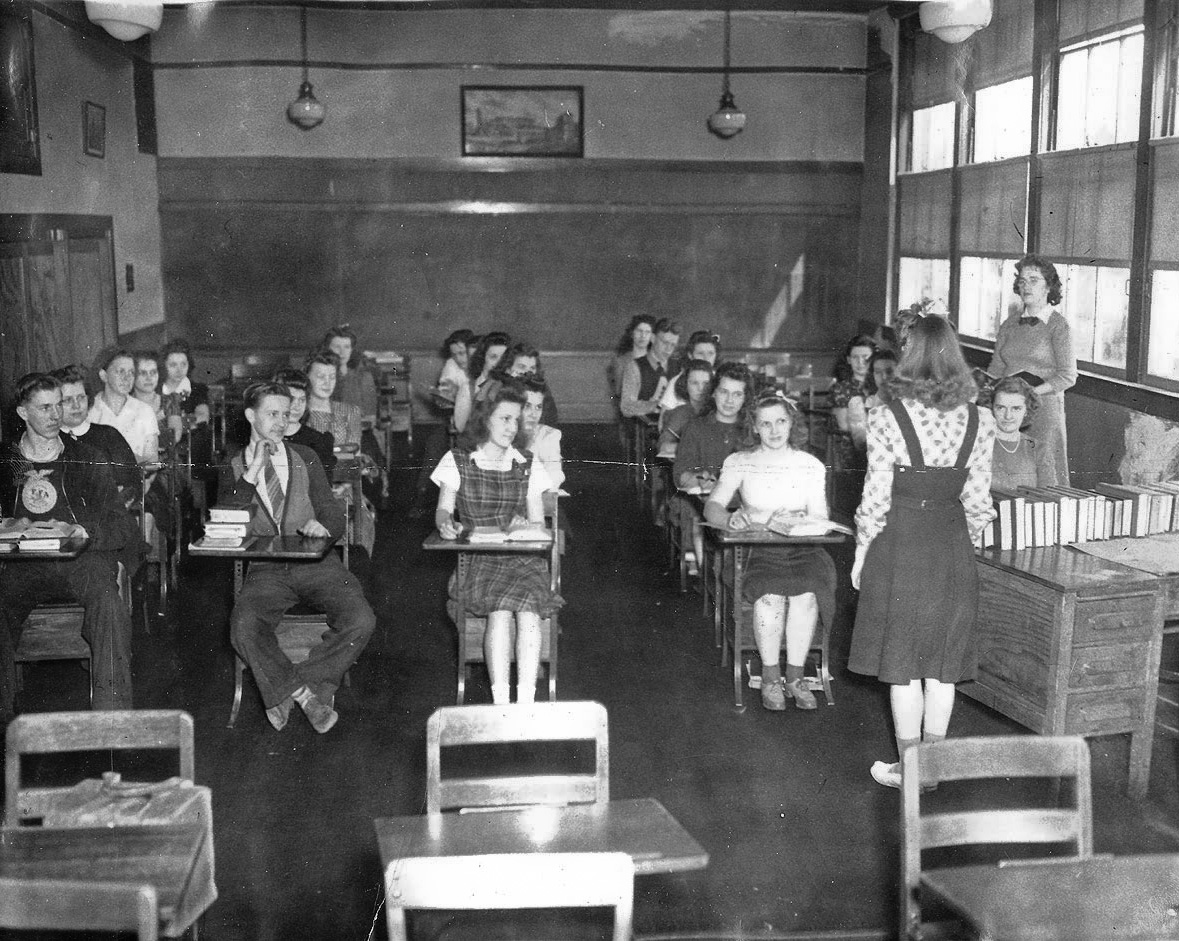
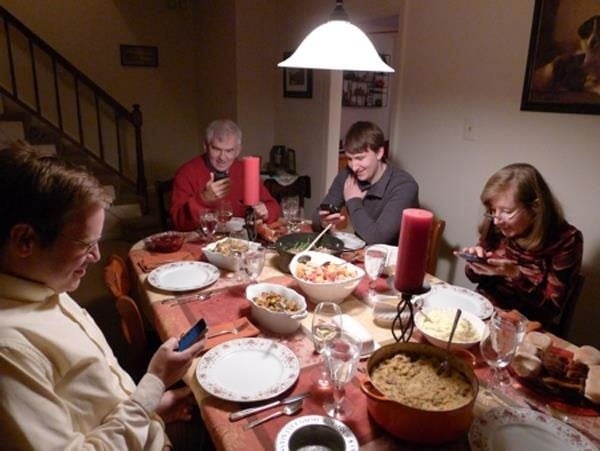
What do these pictures tell us about how our interactions have changed?


One new way we interact with each other is through social-networking. On Page 73 of the Listening/Speaking textbook there is an ideas map for social networking activities.

----------------------------------------------

TASK A) Besides those listed on page 73, What are some other examples of social networking activities?
*
*
*
*
*
*


TASK B) Besides social networking, what are some modern ways of communicating?
*
*
*
*
*
*


TASK C) What are some traditional ways of communicating?
*
*
*
*
*
*


TASK D) What do you think has caused the big change between traditional and modern ways of communicating?


TASK E) Look at the ways of communicating that you listed in TASK B and TASK C in more detail. Think of examples. Describe the activities. What are the positives/advantages and negatives/disadvantages?


TRADITIONAL WAYS OF COMMUNICATING 

1) Communication: Face to face
Examples & Activities: Chatting with friends at a cafe. Talking with family at the dinner table.

Positives/Advantages:

Negatives/Disadvantages:


2) Communication:
Examples & Activities:

Positives/Advantages:

Negatives/Disadvantages:

3) Communication:
Examples & Activities:

Positives/Advantages:

Negatives/Disadvantages:

NEW WAYS OF COMMUNICATING

1) Communication: Social Networking
 Examples & Activities: Posting and commenting on Instragram photos. Sharing videos, links and thoughts on twitter.

Positives/Advantages:

Negatives/Disadvantages:

2) Communication:
Examples & Activities:

Positives/Advantages:

Negatives/Disadvantages:

3) Communication:
Examples & Activities:

Positives/Advantages:

Negatives/Disadvantages:

TASK F) Think about classrooms of the past and of today, or how your grandfather spent time with his friends and how you may spend time with yours. What are some ways technology has changed how we interact with each other?

*
*
*


TASK G) Review the advantages and disadvantages listed in TASK E and your examples from TASK E. What is your overall opinion about the change in communication methods has affected how we interact? Is the change positive or negative?Why?


-------------------------------------------------------------------------------


TASK H)  After completing your titanpad, you will make a padlet with a partner presenting the topic: “Changing Ways of Communication and Interaction.”

Include pictures in your padlet.


Use the information from Tasks A-F to complete Task H

1 Slide: what has changed how we communicate.
3 Slides: traditional ways of communicating described with positives/advantages and negatives/disadvantages.
3 Slides: modern ways of communicating described with positives/advantages and negatives/disadvantages.
1-3 Slides: ways technology has changed how we interact with each other.
1 Slide: You and your partner’s opinion about if the change in how we communicate is for the better or for the worse.


Your padlet should answer this question:

How has modern technology changed the way we interact with each other? What are the positive and negative aspects of this influence? Are the changes for the better or for the worst?


When finished, email your teacher:
A) TitanPad link
B) Padlet link.

Tuesday, October 14, 2014

Cause and effect


Your TASK is below the signals/clues and examples 
for Cause and Effect. Scroll down for your task.


Hints/Signals/Clues for CAUSE
These words come directly before stating the cause:
because (of), due to, the reason for this is

                            [Effect] because [cause].
I have a well-paying job because I studied in school.
My ice cream is melting because it is a hot day.
Because [cause], [effect].
Because I studied in school, I have a well-paying job.  
Because of the heat, my ice cream is melting .


                           [Effect] due to [cause].
I cannot get a good job due to my bad grades in school.
My ice cream melted due to my standing outside in the heat.
Due to [cause], [effect].
Due to my not paying attention in class, I failed the test.
Due to today’s hot weather, my ice cream melted quickly.

                     [Effect]. The reason for this is [cause].
I can buy a nice car. The reason for this is that I have a well-paying job.
I need to have my kandora cleaned. The reason for this is my ice cream melted on it.


Hints/Signals/Clues for EFFECT
These words come directly before stating the effect:
cause(s), That’s why, That means that, so

[Cause] cause(s) [effect].
Tests cause stress.
The heat from the sun causes my ice cream to melt. 

                              [Cause]. That’s why [effect].
I want four beautiful wives. That’s why I try to be successful.
My ice cream melted on hands. That’s why they are dirty.

                     [Cause]. This means that [effect].
I have a large family. This means that I need a well-paying job.
I got chocolate on my kandora. This means that my mother will be angry.

               [Cause] so [effect].
I drive a Bugatti so people think I am cool.
I don’t want my ice cream to melt quickly so I eat it inside with the A.C. on.


                TASK:

Use the vocab words for cause and effect to write sentences about the situations in the following images. Send it your teacher as an email.

You should include at least each phrase one time. 

because, due to, The reason for this is, cause, That’s why, This means that, so


1)
Office Dinosaur

2)
Smoking Cigarettes

3)
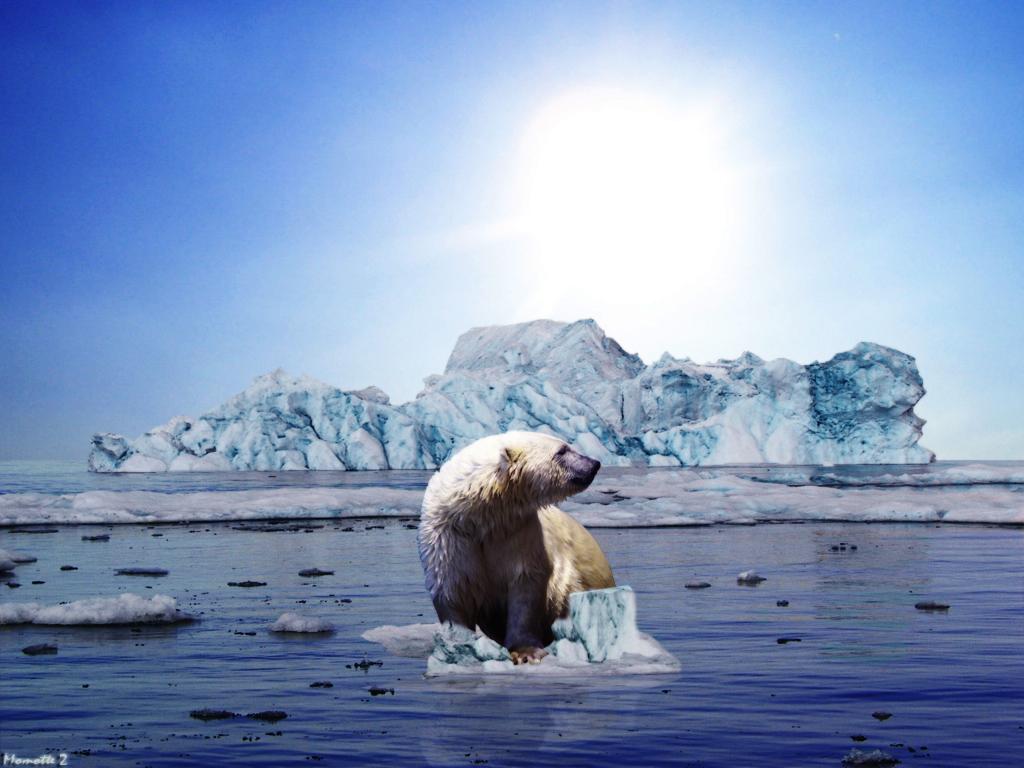
Polar Bear in Heat

4)
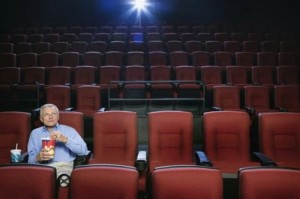
Empty Movie Theater.....
.....Internet Piracy


5)
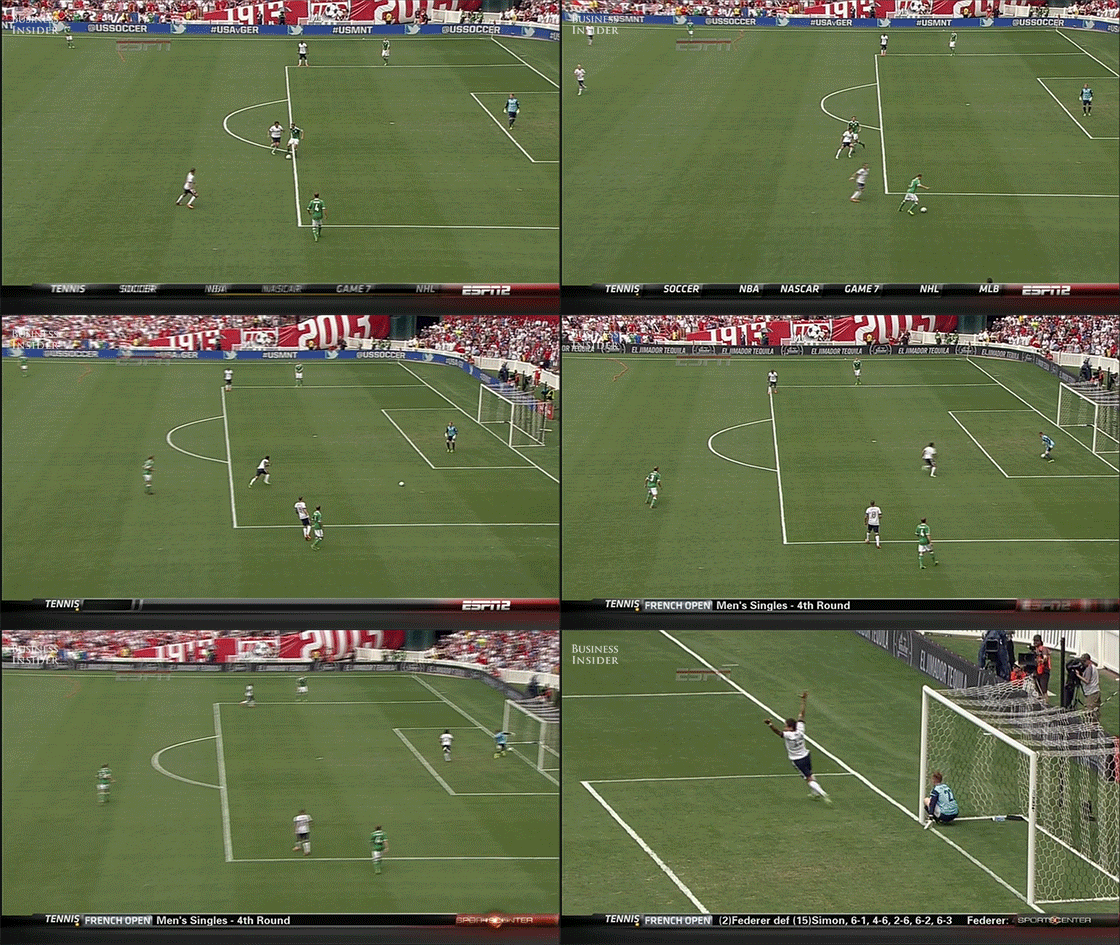
Gooooooooooooooooooooooal!!!!

6)
Elephant Traffic

7)
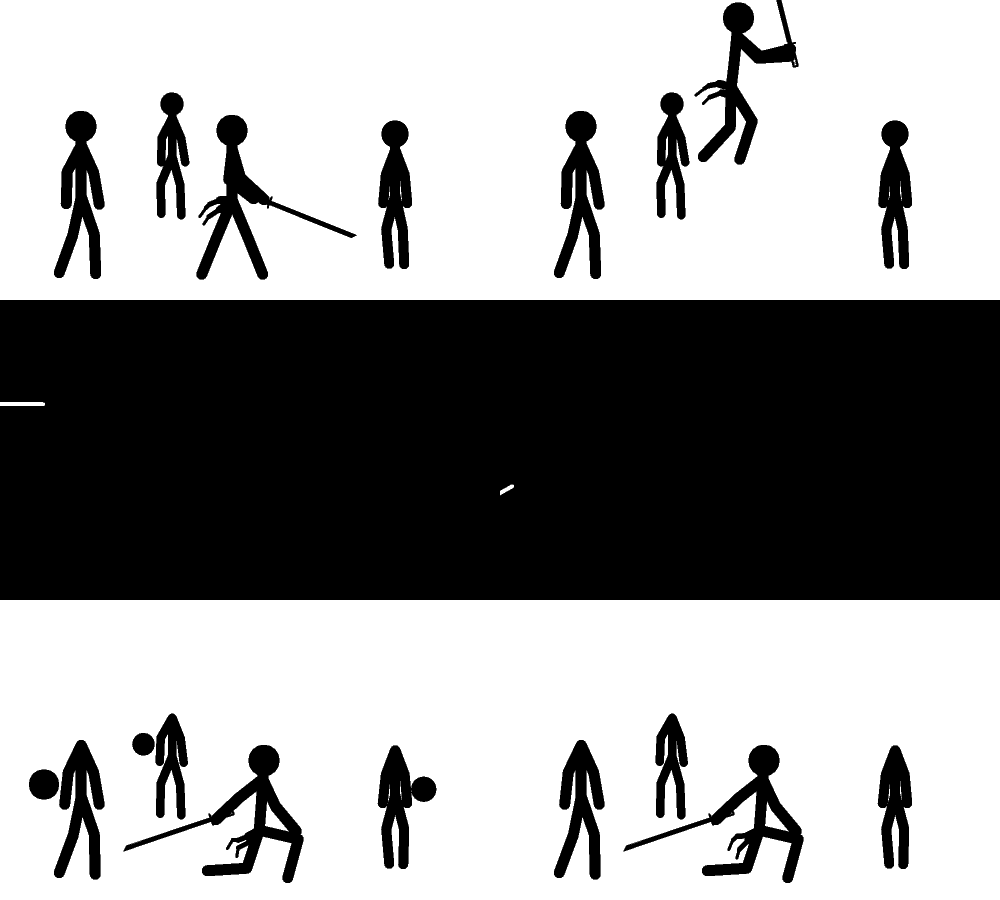
Ninja Head Slice

8)

Spider Scare
 
9) Write your own.
10) Write your own.


Unit 2 Homework: Traditional Activity

Use this website to answer the questions that follow.

With a partner, write a paragraph that describes a traditional Emirati activity (pearl diving, falconry, camel racing, boat racing, traditional dance, celebrating a holiday).

STEP1: 
Copy and paste these questions into TITANPAD and share your link with a partner.

1) What is (or was) the traditional activity?

2) Where is (or was) this activity done?

3) When is (or was) the activity done?

4) Who does (or did) this traditional activity?

5) Why is (or was) this activity done?

6) Explain how the activity is (or was) done. What actions are involved?

7) How has this activity changed in recent generations? 


THESE WEBSITES CAN HELP:

UAE Interact.com / history

Wikipedia.org/wiki/Culture_of_the_United_Arab_Emirates


STEP 2:
When finished, you will convert the answers of the questions into a paragraph at the bottom of your titanpad.


STEP 3:
Then, make a PADLET to present your information. Find pictures to match your paragraph.


STEP 4:
Email the titanpad and padlet links of your paragraph to your teacher


STEP 1 Example: CABER TOSSING

1) What is (or was) the traditional activity?
Caber tossing is a tradition Scottish sport.

2) Where is (or was) this activity traditionally done?
It is played in large fields near the forest in Scotland.

3) When is (or was) the activity done?
It was done when men had days off from work and at summer festivals.

4) Who does (or did) this traditional activity?
Large Scottish men participate in this game. A long time ago this sport was done by lumberjacks.

5) Why is (or was) this activity done?
They played the game because it was entertaining as well as proved strength and ability.

6) Explain how the activity is (or was) done. What actions are involved?
This activity is very done by lifting up a long and heavy wood post carved from tree trunk and flipping as straight as possible away from oneself. The caber is 6 meters tall and weighs 80kg. 


7) How has this activity changed in recent generations?  
Because of new technologies, lumberjack is not as popular job also. Now the sport is played by semi-professional athletes. Also, it is now played at Summer festivals in both Scotland and in North America.


STEP 2 Example:
Caber tossing is a traditional Scottish sport. This activity is very done by lifting up a long and heavy wood post carved from tree trunk and flipping as straight as possible away from oneself. The caber is 6 meters tall and weighs 80kg. That means only large Scottish men participate in this game. A long time ago this sport was done by lumberjacks — men whose job is to cut down trees — in large fields near the forest on their days off from work. They played the game because it was entertaining as well as proved strength and ability. However, the winner is not who could toss the caber the furthest. The winner is who tosses the caber with the best style. Because of new technologies, there is not as many lumberjacks today so not many people play this sport anymore. Now the sport is played by semi-professional athletes at Summer festivals in both Scotland and in North America.


STEP 3 Example:
Example: padlet.com/robaths/ferv4cmz55

Saturday, October 11, 2014

Unit 2 Revise Activity: Emirati Weddings


You will write a four (4) paragraph essay describing the laws, customs, and traditions concerning weddings in the UAE. Also, include any changes to Emirati weddings in recent years.


STEP 1: First make detail notes for your essay.

These links can be helpful sources of information


The answers to the 15 questions about the Dubai Media video we watched in class is also helpful about tradition and changes.


Detailed Essay Notes:

1) INTRO: law, customs and traditions, recent changes

2) UAE MARRIAGE LAW
place: UAE
legal age:
common age:
documents:

3) TYPICAL WEDDING

PROPOSAL:
People involved:
Gift given: Dowry
Engagement ceremony:

WEDDING:
Location:
guests:
cost:
reception:


4) CHANGES in recent years:
age: Older
cost:
clothing: 
location:
proposal:


Step 2: After making notes, write your essay


In four (4) paragraphs, describe the laws, customs, and traditions concerning weddings in the UAE. Also, include any changes to Emirati weddings in recent years.


You can use the BritishWedding essay from the textbook as your guide. There is also an example essay about China at the bottom of this page.


Make sure you avoid generalizations. Use phrases such as “tend to” and “can be.”

Also, when coming the past and today, use comparative language such as, whereas, _____-er than, more/less _____ than.


COPY AND PASTE the following into TitanPad.com and share your link with your partner.

Essay question:

In four (4) paragraphs, describe the laws, customs, and traditions concerning weddings in the UAE. Also, include any changes to Emirati weddings in recent years.

The first paragraph of your essay is written for you.

Emirate Weddings

1)   Weddings are very important occasions in the UAE. They are vital social events that join two families together to celebrate the new marriage. In this essay, I will describe the law concerning Emirati marriages where I live, outline the customs and traditions of a typical wedding, and show how weddings have changed in recent years.

Emirati Marriage Law

2)    

Emirati Wedding Customs and Traditions

3)    


Changes to Emirati Weddings

4)    


--------------------------------------------------------------------------------------------------------------

Thursday, October 9, 2014

Not Generalizing Frequency

Avoiding Generalizations 
 
Do not make a statement unless you can prove it is true.

Guns kill people. 
Video games are childish. 
Dogs protect homes well.


This statement is an opinion and cannot be proven. Use "can" or "tend to" to make it more true.

Guns can kill people. 
Video games can be childish. 
Dogs can be good home protectors.

After "can" we use a verb
After "can be" we use an adjective.


My gun tends to kill people. 
Video games tend to be childish. 
Dogs tend to protect homes well.

After "tend to" we use always use verb.


Adverbs of Frequency


Most frequent 
100%
always


almost always


usually / generally / normally


often / regularly / frequently

50%
sometimes / occasionally


now and then / once in a while


rarely / seldom / infrequently


hardly ever


almost never
Least frequent
0%
never


The adverb goes before the main verb:

ATHS Students sometimes study.


The adverb goes after the "to be" (is, am, are) verb.

School is almost never boring.


Wednesday, October 1, 2014

Comparing Cultures

Make a presentation Comparing your Cultures to another.

You can use Keynote, Powerpoint, or Padlet.com to make a presentation.

Chose a place in the world that you want to visit (or you have visited) that has very different customs than the UAE.

Make a list of at least three (3) customs or traditions that are different between the two places.

The list on page 51 of the textbook can be helpful. 

Explain what the custom is in the UAE and what the custom is the other country. How is it different? How is it the similar?

Find pictures to match each custom.

This website can be very helpful: Kwintessential.co.uk/resources/Country-Profiles.html


If you use keynote or Powerpoint you must save your project as a pdf and upload it to FlipSnack.com to email the link to your teacher.